


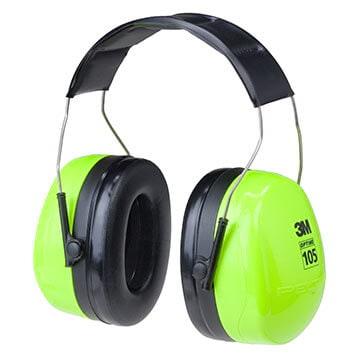
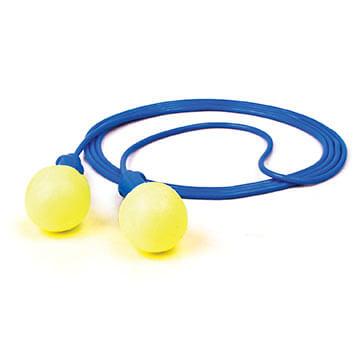
What is Noise Reduction Rating (NRR)?
The Noise Reduction Rating (NRR) refers to a laboratory-derived numerical estimate of the noise reduction that a hearing protector offers. In most cases, this number overstates the protection actually afforded to workers due to fit, wear, and other issues. To ensure workers are not exposed to dangerous noise levels, employers need to apply a “safety factor,” which is typically a 7 dB subtraction. For example, if the hearing protector has an NRR of 25 and the employee is exposed at 100 dB, then the protector attenuates the employee’s exposure to a value of 82 decibels: 100 - (25-7) = 82. OSHA recommends employers apply an additional 50 percent safety factor, by cutting the NRR in half prior to subtracting 7 dB.
Top 3 Misconceptions About Hearing Protection
Certain misconceptions might prevent your employees from wearing hearing protection or using it correctly. Steer clear of these common misconceptions:
- Headphones can be used as hearing protection. This is a popular misconception. Headphones can be just as dangerous as not wearing hearing protection at all. If workers crank the volume in their headphones, they risk damaging their hearing. Keep in mind that loud music will only add to the noise, not drown it out.
- Hearing protection can hurt, not help. This one should go without explanation. However, it’s a well-known misconception that hearing protection (like earbuds) can cause ear-drum damage or infections. You certainly need to ensure you’re not overprotecting workers, but the notion that hearing protection is a primary cause of infections is false. If you train workers how to properly wear, maintain, and clean their protection, you should be safe.
- Hearing protection isn’t necessary when you’re used to loud noises. Just because workers claim they are used to loud noises outside of their daily work (or while at work), doesn’t mean their hearing isn’t compromised. It also doesn’t mean that their hearing can’t be altered in any way. Hearing loss typically happens gradually over time. Hearing protection is always necessary when noise exposure is at or above 85 decibels averaged over 8 hours of work or an 8-hour time-weighted scale. Keep in mind, it might even be needed before then.
Tips for Successful Hearing Protection Use
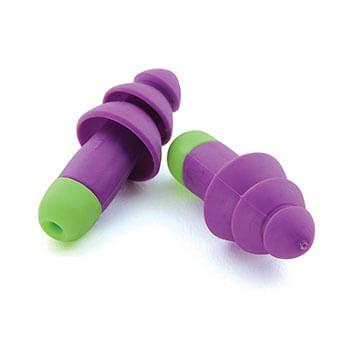
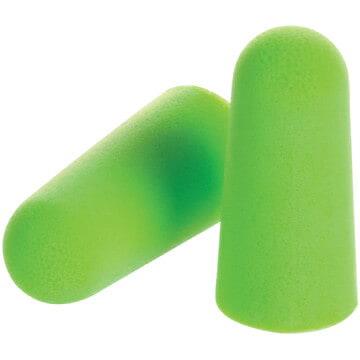
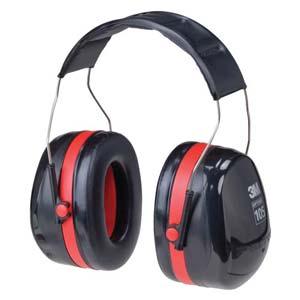
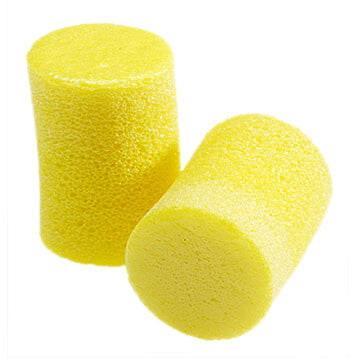
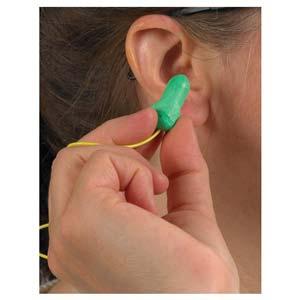
Your company is responsible for the safety of workers no matter what. If hearing protection is an issue in your workplace, you need to do everything you can to protect workers. For starters, make sure employees have a variety of hearing protection devices easily available, as one size does NOT fit all. If PPE isn’t comfortable, it’s more than likely employees won’t want to wear it. Next, make sure they know how to insert earplugs correctly. Finally, check in with your employees on a regular basis to ensure that your efforts at reducing noise exposure are working.