


Choose the Right Eye Protection Type to Maximize Safety
When it comes to workplace safety, protecting your workers’ eyes is non-negotiable. From grinding metal and cutting wood to handling chemicals or working in dusty environments, different tasks pose different risks. Flying debris, chemical splashes, intense light, and airborne particles can all cause serious eye injuries if the right protection isn’t worn. Understanding which type of eye protection fits your job is the first step toward preventing accidents and keeping vision safe.
Safety Glasses
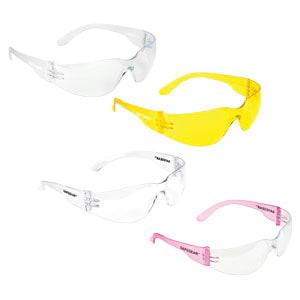
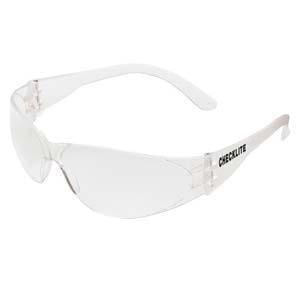
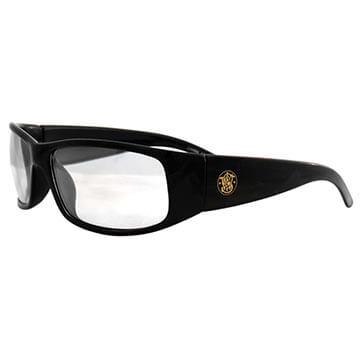
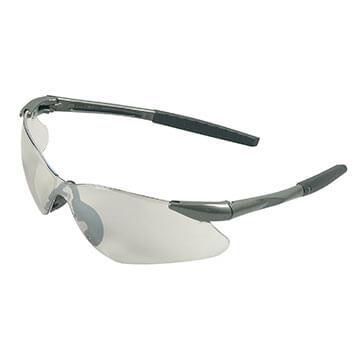
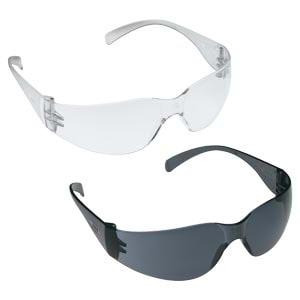
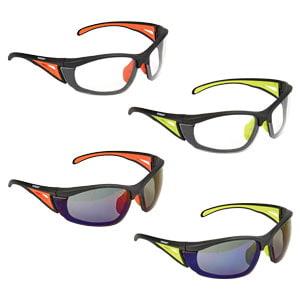
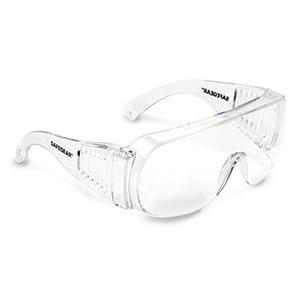
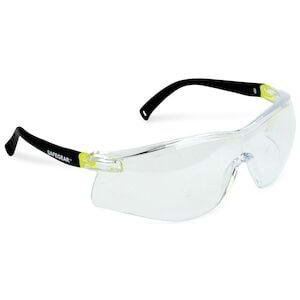
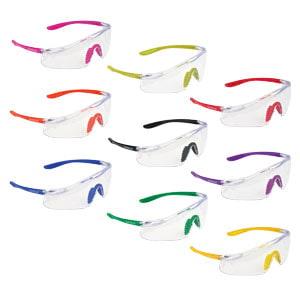
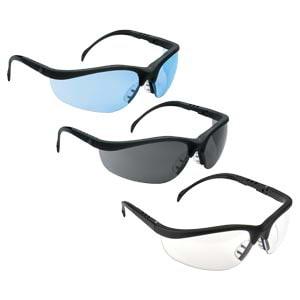
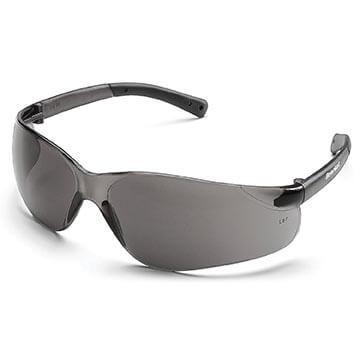
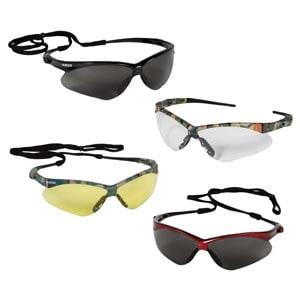
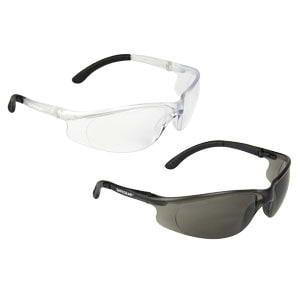
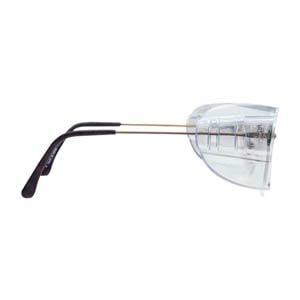
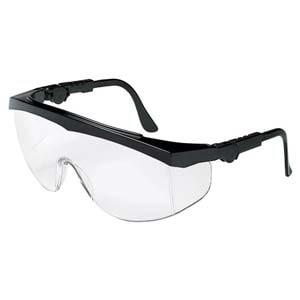
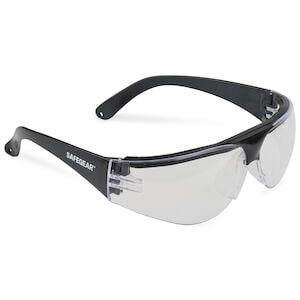
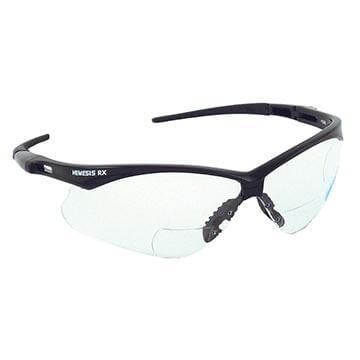
Safety glasses are the most common form of eye protection and are designed to shield eyes from impact hazards such as flying debris, chips or dust. They typically feature shatter-resistant lenses and side shields for added coverage. Many models also include UV protection, making them ideal for outdoor work like construction, landscaping or road maintenance. Safety glasses are lightweight and comfortable for extended wear, but they should only be used where splash hazards are not a concern.
Safety Goggles
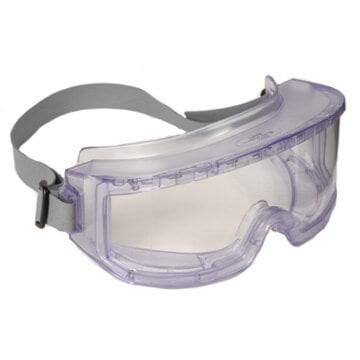
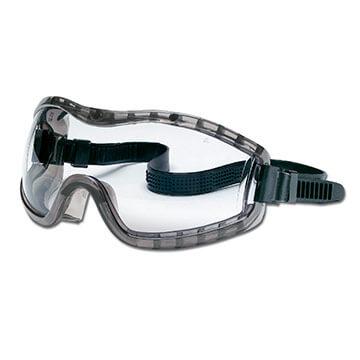
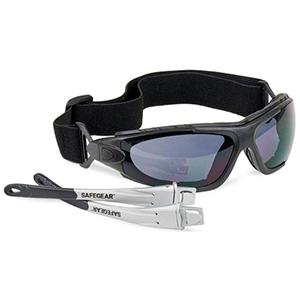
Safety goggles protect the eyes from flying fragments and particles, and fit the worker’s face, providing a protective seal. Indirect vented goggles have an angled venting system that prevents direct venting to the interior of the goggles. This offers excellent protection from dry particulate and liquid chemical materials. Direct vented goggles have ventilation holes in the frame that allow air to circulate to the interior of the goggles. The holes are small enough to prevent flying particles from reaching the eyes. Direct vented goggles shouldn't be used if employees could be exposed to splashed chemicals, but are a good choice if high humidity and lens fogging is a concern.
Face Shields
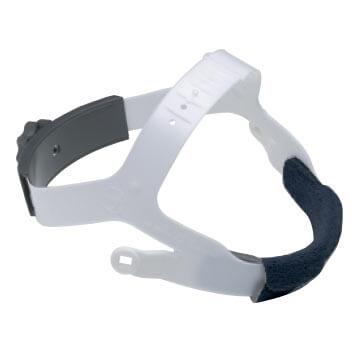
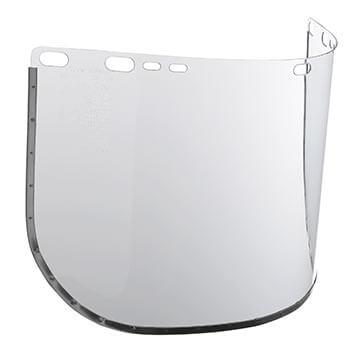
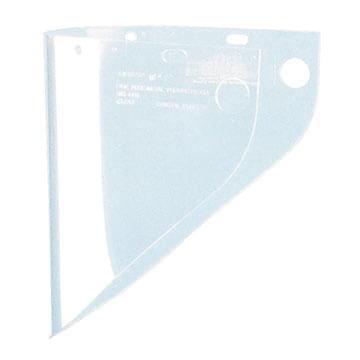
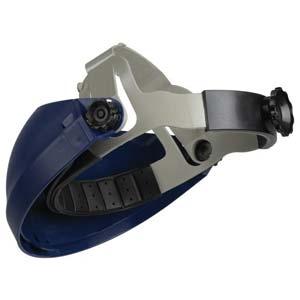
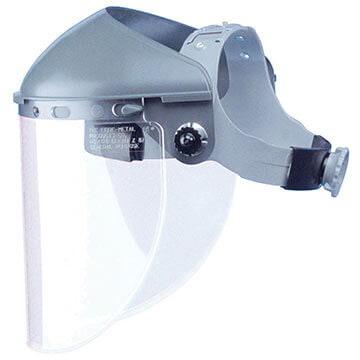
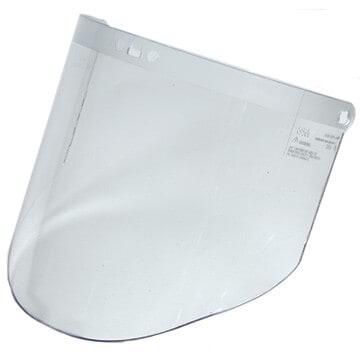
Face shields provide full-face coverage, protecting not only the eyes but also the nose and mouth from flying particles, sparks and chemical splashes. They are often used in combination with safety glasses or goggles for maximum protection in high-risk environments such as grinding, welding or handling corrosive chemicals. Face shields are essential when there’s a risk of severe impact or exposure to hazardous liquids, offering a clear barrier without compromising visibility.
Lens Colors & Coatings
Choosing the right lens color for your safety glasses is essential to ensure optimal visibility, comfort, and protection in varying work environments. Each lens tint offers unique benefits tailored to specific lighting conditions and tasks—here are features of popular lens colors to help you find the best fit for your needs.
- Clear Lens – Clear lenses allow maximum light transmission without distortion, offering superior visual clarity. As the standard choice for most safety glasses, they are ideal for indoor or low-light environments where visibility is critical.
- Smoke Lens – Smoke lenses limit light transmission to reduce glare and eye fatigue in bright conditions. They enhance contrast while maintaining accurate color perception, making them perfect for outdoor use in sunny environments.
- Amber Lens – Amber lenses brighten surroundings and improve contrast by blocking blue light, while also reducing haze and glare. They are especially beneficial in low-light indoor or outdoor settings where enhanced visibility is needed.
Your workers need to be able to see clearly through their safety glasses, too. Anti-scratch and anti-fog lens coatings can help combat issues that can affect lens clarity.
- Anti-Scratch (AS) – Anti-scratch safety glasses are treated with a scratch-resistant coating on the lens that strengthens the surface to show fewer scratches.
- Anti-Fog (AF) – Temperature changes and humidity can cause safety glasses to fog. Removing glasses to wipe away moisture exposes workers to potential hazards. Anti-fog coating reduces or eliminates fogging to maintain clear vision.
Pro Tip – Ultraviolet Light
UVA rays account for about 95% of the sun's rays that aren't filtered out by the earth's atmosphere, and UVB rays account for less than 5% of unfiltered rays. Besides causing damage to skin, these UV rays can also damage workers' eyes as well as cause eye cancers and eye diseases. UV-blocking safety glasses can prevent these injuries by reducing and blocking out harmful UV rays.